
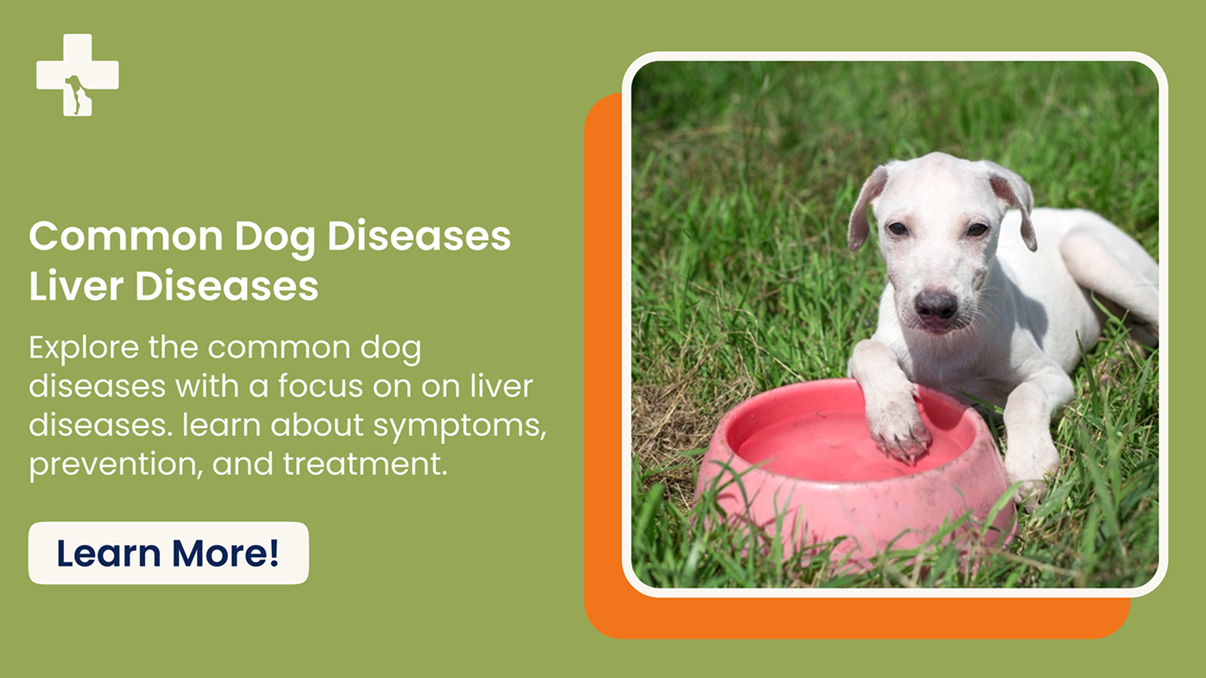

Pet care is not only about feeding your pet good food or grooming them regularly. Pet ownership comes with great responsibility, one of which is always looking after your pet, and keeping an eye on unusual activities and symptoms. Most diseases are not instantiated, but leave early signs to warn us from possible dangers regarding pet’s health. These symptoms can appear on the body and in the behavior of pets.
Most pets suffer in their life, due to lack of early detection and diagnosis, showing us that early detection is the basic and ultimate way to end the root cause of any disease. In this blog post, we have compiled a list of 7 most common dog diseases along with their preventive measures.
Heartworm diseases:
It is a parasitic disease caused by infection of Dirofilaria immitis( also known as heartworm). The worm does not only cause diseases in dogs, but also in cats, ferrets, foxes and other wild canids. The male adult worm has a length ranging from 5-6 inches, while the female is doubled in length( usually 11-12 inches long). With a life span of 6 months, it ends up entering into heart or pulmonary vessels of the animal body.
As the heart is loaded with worms, it is difficult for the heart to pump out the blood to other body parts, which results in heart failure, organ failure and even death of animals.
Symptoms of heartworm diseases:
The symptoms of heartworm in dogs are as follows below.
- Lethargy
- Resistant to exercise or physical activities.
- Bloody Cough OR nosebleed.
- Weight loss.
- Collapse or fainting.
Preventive measures:
As the potential cause of heartworm in dogs is due to mosquito bite, which transmits the larvae from the infected animal to new host. Retarding your dogs exposure to mosquitoes will be beneficial for ending the root cause of infection. The ultimate escape lies within FDA approved medications( oral, tropical or injectable) as prescribed by your vet. The medication ranges from monthly impact to year round impact depending upon its longevity.
It is recommended by most vets to go for injectable medications that last for six months to one year, as mosquitoes are present at any season.
Canine parvovirus:
CPV( Canine parvo virus) is a genetic mutation of Feline panleukopenia virus(FPV) that spreads from direct contact with feces of an infected dog. Once entered in the host body, it starts attacking the rapidly growing cells of bone marrow and intestine, thus weakening the immune system of dogs. Puppies and unvaccinated adolescent male dogs are more vulnerable to this virus due to lack of immunity.
CPV is a high contagious virus with a mortality rate close to 90% in dogs. But thanks to healthcare, with proper vaccination and treatment, the survival rate reaches up to 80% to 90%.
Symptoms of Canine Parvo Virus:
- Low energy( Lethargic behavior).
- Loss of appetite ( accompanied by weakness OR weight loss).
- Vomiting.
- Diarrhea( followed by foul-smell, blood and mucus).
- Hypothermia( body temperature fluctuates rapidly, low to high OR high to low).
- Hypoglycemia( low levels of sugar in blood).
Preventive measures:
The ultimate preventive measure that a pet owner takes against Canine Parvo virus is Parvo Virus vaccine. Starting with puppies to injecting boosters throughout the adulthood of dog is the only life saving step. You can also lessen the risk of infection by providing your dog with hygienic food, disinfection at most contacted places, avoid gatherings where there are more dogs, like kennels and parks.
Kennel cough:
Kennel cough, also known as Canine infectious respiratory disease(CIRD) is a respiratory infection caused by bacteria(Bordetella bronchiseptica) and viruses like Canine parainfluenza virus and canine respiratory corona virus. It attacks the upper respiratory structure in dogs causing inflammation of respiratory tracts i.e Trachea and bronchi.
It occurs in breeds of all ages and gender with puppies and older dogs( weak immune system) are most vulnerable to it. It is not dangerous in most cases, and treats with healthcare at home, but if left completely untreated, can lead to pneumonia in dogs.
It spreads in dogs that live together in kennel shelters, medical care centers and parks. The airborne particles are carriers of infection that spreads from coughing, direct contact, indirect contact with toys, food and water bowls of infected dogs.
Symptoms of Kennel cough:
- A Honking coughing
- Runny nose and eyes
- Sneezing
- Lethargy
- Loss of appetite
- Mild fever
Preventive measures:
An effective kennel cough vaccine is the ultimate peace of mind. Take care of your dog’s hygiene and clean the shared items like toys and bedding with disinfectant. Look for a boarding facility with better ventilation, and support the immune system of your dog by providing a balanced diet and regular exercise.
Canine Distemper:
It is a contagious disease caused by Canine distemper virus(CDV) that spreads through respiratory secretions( coughing or sneezing) of an infected dog, and attacks the respiratory system, gastrointestinal system( IG) and nervous structure of other dogs. Like other diseases, puppies and dogs with weak immune systems are most vulnerable to it. Its presence is recorded in dogs, wild canids ( foxes, wolves), ferrets, raccoons, mink, skunks and other mammals. Being fatal in nature, it has a fatality rate of 60% to 70%, and some vets believe that 1 out of 2 dogs having canine distemper die of it.
It spreads through direct contact( coughing, sneezing) and exposure to body fluids like urine, feces and even contact with food and water bowls of infected dogs.
Symptoms of Canine distemper:
- Low in appetite
- Coughing and sneezing
- Depression
- Nasal discharge
- Dirrhea
- Vomiting
Preventive measures:
Canine distemper vaccination recommended by a licensed vet is the best way to prevent this disease. Keep puppies and unvaccinated dogs away from other dogs that seem ill. Checking the sanitation of living space and daily used items of your dogs, is the better way to avoid the infection.
Skin allergies:
Skin allergies in dogs are most common among all the other allergies. On an average 10% of dogs suffer from any kind of skin allergy. Sometimes the immune system overreacts to environmental allergens like fleas, mold spores, dust mites and even to the food our dogs eat. It causes itching, irritation and red spots on the skin. Dogs remain uncomfortable due to continuous itching and scratches the skin to get relief, but instead, they get nothing other than damage undercoat or skin.
The most common types of skin allergies that are seen in dogs are Atopic dermatitis( from environmental allergens), Contact dermatitis( through direct contact with irritants like some plants, chemicals and cleansers), Flea allergy dermatitis( FAD) and food allergy.
Common symptoms of skin allergies:
- Irritation
- Ears develop itching.
- Redness and inflammation.
- Discomfort
- Bald fur patches due to hair loss.
- Hot spots.
Preventive measures:
If you notice any symptoms in your dog, seek immediate vet intervention. Your vet will identify the type of skin allergy your dog is suffering from and will diagnose accordingly. In order to prevent it from happening, bring lifestyle changes in your pets life, provide a clean environment, keep your dog away from allergic plants, and feed allergy free food to your pet.
Lyme Diseases:
It is a bacterial infection caused by Borrelia burgdorferi bacterium transmitted by infected black-legged ticks(an external parasite). When the infected tick bites a dog, the bacteria from the saliva of the tick goes into the main bloodstream of the dog, from where it attacks the heart, joints, kidney and spinal cord of the dog.
The dogs that are indulged in outdoor activities like hiking and hunting in woody areas are at higher risk of getting lyme disease infection. It is estimated that 2 to 10% of dogs if exposed to infected ticks develop the symptoms of lyme disease.
Symptoms of Lyme disease:
- Fever
- Lameness
- Swollen joints
- Increased thirst for water which leads to excessive urination
- Weight loss
- Lymph nodes get enlarged
Preventive measures of Lyme disease:
A proper vaccination of lyme disease is the best way to prevent your dog from ticks infection. Check for ticks after every outdoor activity as they remain attached to the dog’s body for infection transmission. If found, immediately remove the tick to prevent it from spreading the infection in your dog. Keep an eye on your dog during outdoor activities and double check, if they get near trees or bushes.
Periodontal diseases:
The term periodontal diseases is also known as dental disease. When your dog eats food, some food particles stick to teeth and combine with oral bacteria, converted into sticky plaque.which further hardens to become tartar and lead to gingivitis. About 80% to 90% of dogs develop a periodontal disease by the age of three, mainly due to unhygienic oral cavities.
Oral bacteria after damaging the gumline can penetrate into the main bloodstream and affect other body organs like heart, kidney and liver. Which can also lead to diseases other than the oral one.
Symptoms of Periodontal diseases:
- Bad breath
- Tartar build-up on teeth
- Damaged gums
- Tooth loss
- Dogs restrain themselves from brushing teeth due to pain.
- Changes in eating habits.
- Lumps in the mouth
Preventive measure of periodontal diseases:
Brushing your dog’s teeth on a regular basis( 3 to 4 times per week) can act as a strong preventive measure against periodontal diseases. Plan regular dental checks as a check for good oral hygiene. Lifestyle changes( like change in diet, avoid chewing hard items) can also contribute to saving your pet from disease.
Conclusion:
Health is a wealth not only for us, but also for our four-legged pals. The best thing a pet parent does for his pet, is to look after its health. Early detection of diseases makes the treatment more effective. But this is possible only if you are aware of the common symptoms for any potential risk of disease in your dog. Contact your vet, if you get any of the symptoms mentioned above to cut the lifeline for infections in your dog.




Leave a Reply