
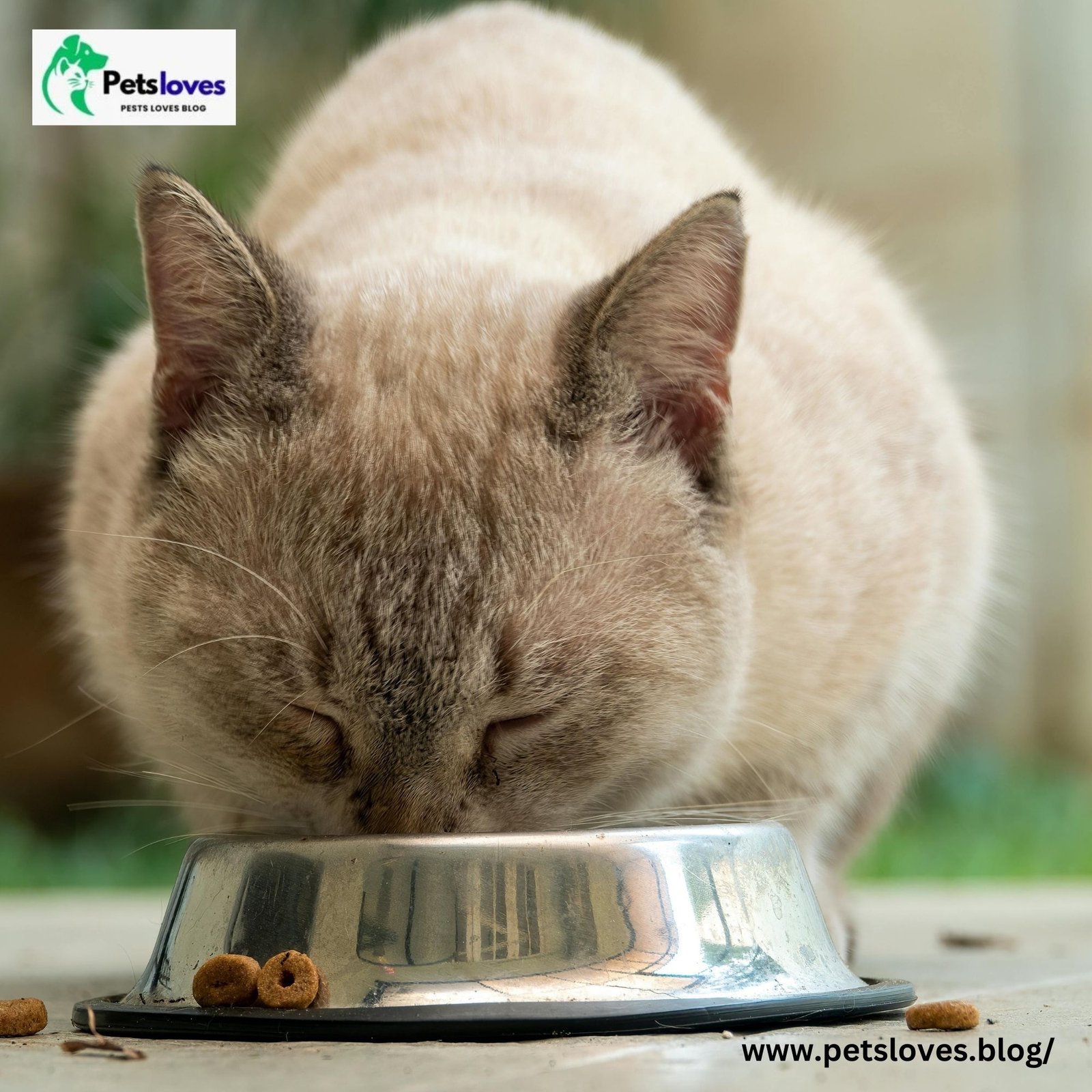

Cat food is one of the most important parts of a cat’s life. The right food keeps a cat healthy, active, and happy. Many people think feeding a cat is simple, but it requires knowledge and care. Cats are different from other pets because they have special nutritional needs. They cannot eat the same food as humans or even dogs. A balanced diet helps cats maintain strong muscles, healthy fur, good digestion, and a strong immune system. When you understand what your cat needs, you can make better choices and avoid health problems in the future.
Why Cats Need Special Nutrition
Cats are natural meat eaters. This means their bodies are designed to get nutrients mainly from animal sources. Unlike some other animals, cats cannot produce certain nutrients on their own. They need protein, vitamins, and minerals from meat to stay healthy. If they do not get the right nutrients, they can become weak or sick. One very important nutrient for cats is taurine, which is found in animal meat. Without taurine, cats can develop serious heart and eye problems. This is why giving your cat balanced and complete food is very important.
Types of Cats Food Available
There are many types of Cats Food available in the market. The most common types are dry food, wet food, and homemade food. Dry food is popular because it is easy to store and usually costs less. It can also help keep a cat’s teeth cleaner. Wet food contains more moisture, which is good for hydration. Many cats prefer wet food because it smells stronger and tastes better to them. Homemade food is another option, but it must be carefully prepared to make sure the cat gets all necessary nutrients. Feeding only plain meat or leftovers is not enough for a healthy diet.
Dry Food for Cats
Dry food, also called kibble, is convenient for many cat owners. It can be left out during the day without spoiling quickly. Dry food is usually balanced and contains proteins, fats, vitamins, and minerals. However, it has less moisture compared to wet food. Cats naturally do not drink a lot of water, so if they eat mostly dry food, they must always have fresh water available. Choosing high quality dry food with real meat as the main ingredient is always better than cheaper options filled with grains and artificial additives.
Wet Food for Cats
Wet food contains a high amount of water, which helps keep cats hydrated. This is especially helpful for cats that do not drink enough water on their own. Wet food is soft and easy to chew, making it a good choice for kittens and older cats. It usually contains more protein and fewer carbohydrates than dry food. However, wet food can be more expensive and must be stored properly after opening. It should not be left out for too long because it can spoil quickly.
Homemade Cats Food
Some pet owners prefer to prepare food at home. Homemade cats food can be healthy if it is properly balanced. It should include meat, small amounts of fat, and the right vitamins and minerals. Simply cooking chicken or beef is not enough because cats need specific nutrients that may not be present in plain meat. It is always better to consult a veterinarian before starting a homemade diet. A professional can guide you about supplements and portion sizes to ensure your cat stays healthy.
Important Nutrients in Cats Food
Protein is the most important part of cats food. It helps build muscles, repair tissues, and support overall growth. Cats also need healthy fats for energy and shiny fur. Vitamins and minerals support strong bones, good eyesight, and proper body functions. Taurine is essential for heart health and vision. Omega fatty acids help maintain healthy skin and coat. Water is also very important because it supports digestion and kidney function. A balanced diet contains all these nutrients in the right amounts.
Feeding Kittens Properly
Kittens need special food because they are growing quickly. Their bodies require more protein and energy than adult cats. Kitten food is specially made to support growth and development. During the first few weeks of life, kittens depend on their mother’s milk. After that, they slowly start eating soft food. It is important to feed kittens small meals several times a day. Proper nutrition during early life helps them grow into strong and healthy adult cats.
Feeding Adult Cats
Adult cats need balanced food to maintain their weight and energy levels. Overfeeding can lead to obesity, which causes many health problems. Underfeeding can make them weak and thin. It is important to follow feeding guidelines based on your cat’s weight and activity level. Some cats are more active and need more calories, while indoor cats may need fewer calories. Regular monitoring of weight helps ensure your cat stays in good shape.
Feeding Senior Cats
Senior cats have different nutritional needs. As cats grow older, their metabolism slows down. They may become less active and may gain weight easily. Some older cats may also develop health issues like kidney problems or dental issues. Senior cat food is specially designed to support aging bodies. It usually contains easy to digest ingredients and balanced minerals. Regular veterinary checkups are important to adjust the diet as needed.
Common Feeding Mistakes
Many cat owners make simple mistakes without realizing it. Feeding too many treats can cause weight gain. Giving human food like chocolate, onions, or spicy meals can be dangerous. Some people think milk is good for cats, but many cats are lactose intolerant and may get stomach upset. Changing food suddenly can also cause digestive problems. It is always better to introduce new food slowly over several days.
Understanding Food Labels
Reading food labels can help you choose better cats food. Look for products that list real meat as the first ingredient. Avoid foods with too many artificial colors, flavors, and fillers. A good quality food should mention that it is complete and balanced. This means it contains all essential nutrients in proper amounts. Understanding labels may take some time, but it helps ensure your cat gets healthy food.
Special Diets for Health Conditions
Some cats need special diets due to medical conditions. Cats with kidney disease may need food with controlled protein and low phosphorus. Cats with allergies may require limited ingredient diets. Overweight cats may benefit from weight control formulas. These special diets should only be given after consulting a veterinarian. Proper nutrition can help manage health issues and improve quality of life.
Importance of Fresh Water
Water is just as important as food. Cats need clean and fresh water every day. Dehydration can cause serious health problems, especially kidney issues. Even if your cat eats wet food, always provide water. Some cats prefer running water, so pet water fountains can encourage them to drink more.
Creating a Healthy Feeding Routine
Having a regular feeding schedule helps cats feel secure. Feeding at the same times each day creates a routine. Some owners prefer free feeding, while others prefer measured meals. Measured meals help control weight and prevent overeating. Observing your cat’s eating habits can also help you notice early signs of illness. If your cat suddenly stops eating or eats much less, it may be a sign of a problem.
Conclusion
Cats food plays a major role in a cat’s health and happiness. Choosing the right type of food, understanding nutritional needs, and maintaining a proper feeding routine are all important steps. Whether you choose dry food, wet food, or carefully prepared homemade meals, the goal is to provide balanced nutrition. Paying attention to ingredients, portion sizes, and your cat’s age and health condition will help ensure a long and healthy life. With proper care and the right diet, your cat can stay active, strong, and full of life for many years.



Leave a Reply