
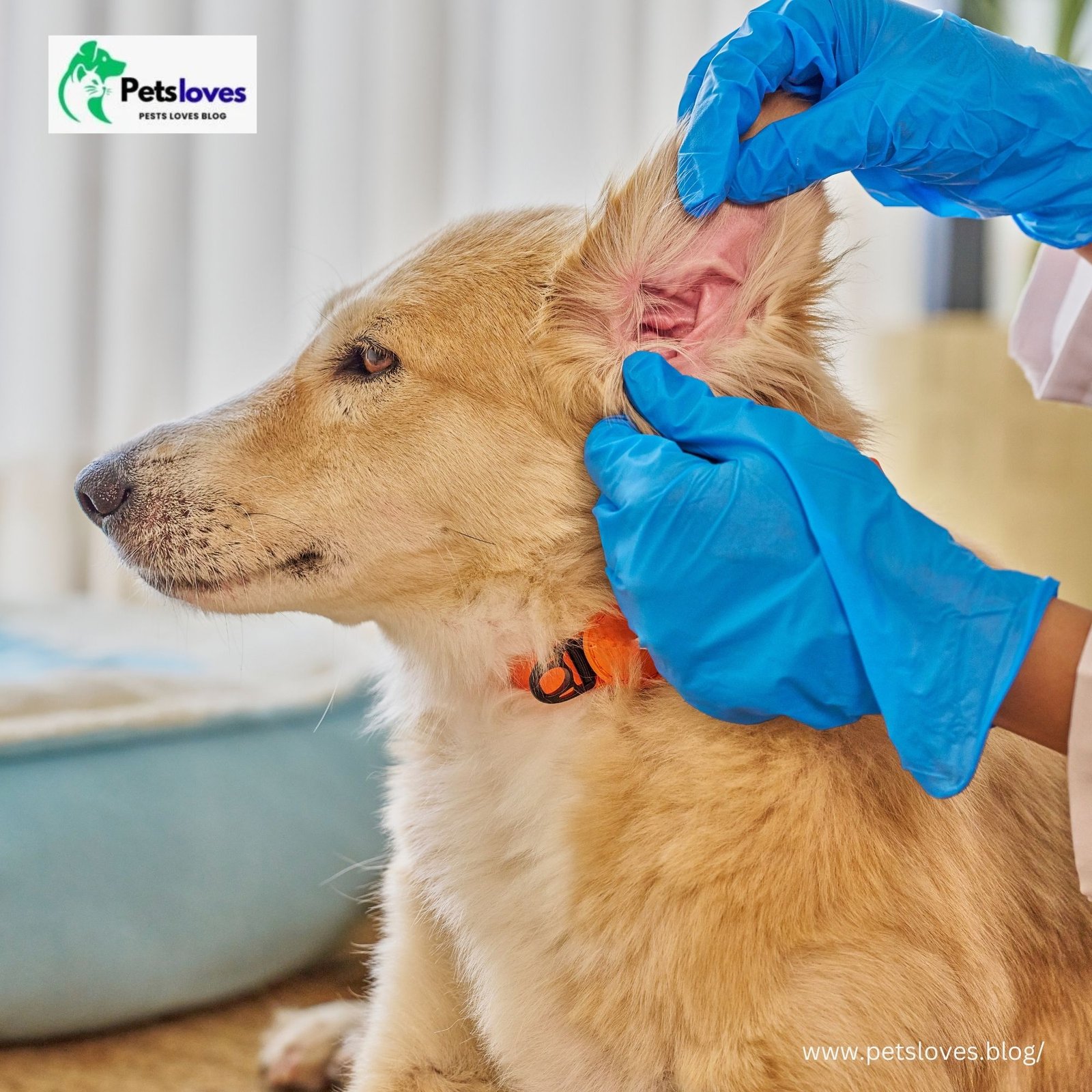

Ear infections are one of the most common health problems in dogs. If you have noticed your dog scratching their ears constantly, shaking their head, or showing signs of discomfort, there is a strong chance they may be dealing with an ear infection. While severe infections always require veterinary attention, mild cases can often be managed at home with proper care and early action. Understanding the causes, symptoms, and safe home treatments can help you support your dog’s recovery and prevent the condition from worsening.
Understanding Ear Infections in Dogs
A dog’s ear structure is very different from that of humans. The ear canal is longer and shaped like an “L,” which makes it easier for dirt, moisture, and debris to get trapped inside. This environment can quickly become a breeding ground for bacteria and yeast. Certain breeds, such as the Cocker Spaniel and the Basset Hound, are more prone to ear infections because of their long, floppy ears that reduce airflow inside the ear canal. Dogs with allergies or those who swim frequently are also at higher risk.
Ear Infections in Dogs are typically classified into three types depending on the area affected. Otitis externa is the most common and affects the outer ear canal. If left untreated, the infection can move deeper into the middle ear, causing otitis media, and in severe cases, reach the inner ear, leading to otitis interna. Early detection and treatment are essential to prevent complications.
Signs and Symptoms to Watch For
Recognizing the symptoms early can make home treatment more effective. Dogs with ear infections often shake their heads repeatedly or tilt their head to one side. You may notice redness inside the ear, a strong or unpleasant odor, dark brown, yellow, or bloody discharge, and excessive scratching. Some dogs become sensitive when you touch their ears, while others may seem unusually irritable or lethargic due to discomfort.
If your dog shows signs of balance issues, severe pain, swelling around the ear, or hearing loss, it is important to seek veterinary care immediately. Home remedies are only suitable for mild infections and should never replace professional care in serious cases.
Cleaning the Ear Safely at Home
The first and most important step in Treating a mild ear infection at home is gentle and thorough cleaning. Use a veterinarian-approved dog ear cleaning solution rather than alcohol or hydrogen peroxide, as those can irritate the delicate skin inside the ear canal. Warm the solution slightly by holding the bottle in your hands before use, as cold liquid can make your dog uncomfortable.
Gently lift your dog’s ear flap and fill the ear canal with the cleaning solution according to the product instructions. Massage the base of the ear for about thirty seconds to help loosen debris. You may hear a squishing sound, which indicates the solution is working. Allow your dog to shake their head, which helps remove loosened dirt and discharge. Afterward, use a clean cotton ball or soft gauze to wipe away visible debris from the outer ear. Avoid inserting cotton swabs deep into the ear canal, as this can push debris further inside and cause injury.
Regular cleaning once or twice daily during a mild infection can significantly improve the healing process.
Natural Remedies That May Help
Some natural remedies may provide relief in mild cases, but they should be used cautiously. A diluted apple cider vinegar solution can sometimes help restore the natural balance inside the ear due to its mild antifungal and antibacterial properties. However, it should never be used if the ear is red, raw, or has open sores, as it may cause stinging and irritation.
Coconut oil is another gentle option that has mild antimicrobial properties. Slightly warmed coconut oil can be applied carefully inside the outer ear canal using a cotton ball. It may help soothe inflammation and reduce microbial growth. Always ensure that any home remedy is applied gently and in small amounts.
It is important to monitor your dog’s reaction when using natural treatments. If symptoms worsen or do not improve within a few days, discontinue the remedy and consult a veterinarian.
Keeping the Ears Dry and Clean
Moisture is one of the main contributors to ear infections in dogs. After baths or swimming sessions, thoroughly dry your dog’s ears with a soft towel. Dogs who enjoy frequent swimming are particularly vulnerable because trapped water creates an ideal environment for yeast and bacteria. Regular ear checks can help you catch early signs of infection before they develop into more serious problems.
Trimming excess hair around the ear opening, especially in long-haired breeds, may also improve airflow and reduce moisture buildup. However, avoid removing hair from deep inside the ear unless instructed by a professional, as this can cause irritation.
Managing Underlying Causes
Ear infections often result from underlying conditions such as allergies. Food allergies or environmental allergies can trigger inflammation inside the ear canal, making infections more likely. If your dog experiences recurring ear infections, consider evaluating their diet or discussing allergy testing with a veterinarian.
Maintaining a balanced diet that supports your dog’s immune system can also promote faster healing. High-quality dog food with essential nutrients helps strengthen the body’s natural defenses, making it easier to fight off infections.
When to See a Veterinarian
While home treatment can be effective for mild outer ear infections, there are situations where veterinary care is essential. If your dog’s symptoms persist for more than three to five days despite cleaning and gentle treatment, it may indicate a more serious infection. Deep infections often require prescription medications such as antibiotic or antifungal ear drops.
Severe infections can lead to complications, including ruptured eardrums or chronic ear problems. A veterinarian can examine the ear using specialized tools to determine the exact cause and prescribe appropriate medication.
Preventing Future Ear Infections
Prevention is always better than treatment. Regular ear inspections, routine cleaning, and keeping your dog’s ears dry can greatly reduce the risk of infection. Pay extra attention to breeds that are naturally more susceptible. Consistent grooming and monitoring can help you detect changes early.
Building a habit of weekly ear checks allows you to notice redness, odor, or unusual discharge before it becomes severe. Early action is the key to preventing discomfort and more complicated treatments later on.
Final Thoughts
Treating a dog ear infection at home can be safe and effective when the infection is mild and detected early. Gentle cleaning, proper drying, and cautious use of natural remedies can help relieve discomfort and support healing. However, understanding the limits of home care is crucial. If symptoms worsen, persist, or appear severe, professional veterinary treatment is always the best option.
Your dog depends on you for comfort and care. By staying attentive and proactive, you can ensure their ears remain healthy, clean, and free from painful infections.


Leave a Reply